Fire doors are essential for ensuring fire safety in buildings, and in the UK, their use is governed by strict regulations. But which types of buildings and industries are required to comply? And what kinds of doors must meet these standards? Whether you’re a business owner, landlord, or facility manager, it’s crucial to understand how fire door regulations apply to your property.
In this post, we’ll explore the industries and buildings that must comply with UK fire door regulations and provide insights into which doors need to meet these critical standards.
UK Fire Door Regulations: The Basics
Under the Regulatory Reform (Fire Safety) Order 2005 (RRO), all non-domestic premises, multi-occupancy residential buildings, and certain other properties are required to meet fire safety standards, including the installation and maintenance of fire doors.
Fire doors must conform to specific British Standards (BS 476 Part 22 or BS EN 1634-1) and demonstrate their ability to contain fire and smoke for a designated period (e.g., FD30 for 30 minutes or FD60 for 60 minutes). These doors play a vital role in protecting escape routes, limiting the spread of fire, and allowing occupants time to evacuate safely.
Industries and Buildings That Must Comply
1. Commercial Buildings
- Offices: Fire doors are required in offices to compartmentalise areas such as meeting rooms, stairwells, and escape routes.
- Retail: Shops, shopping centres, and supermarkets must have fire doors to protect storerooms, staff areas, and emergency exits.
- Hospitality: Hotels, restaurants, and bars must ensure fire doors protect sleeping areas, kitchens, and escape routes.
2. Public Buildings
- Schools and Universities: Fire doors are essential in classrooms, lecture halls, libraries, and corridors to protect students and staff.
- Healthcare Facilities: Hospitals, clinics, and care homes require fire doors in patient rooms, treatment areas, and stairwells.
- Government Buildings: Town halls, post offices, and other public facilities must comply to safeguard employees and visitors.
3. Industrial and Warehouse Facilities
Factories, warehouses, and manufacturing plants need fire doors to contain fires in storage areas, production zones, and staff facilities.
4. Multi-Occupancy Residential Buildings
- Flats and Apartment Blocks: UK regulations mandate fire doors for entrance doors to individual flats, as well as in communal areas like corridors, stairwells, and plant rooms.
Houses in Multiple Occupation (HMOs): Properties housing multiple tenants must have fire doors protecting bedrooms, kitchens, and communal spaces.
5. Hospitality and Leisure Venues
Theatres, Cinemas, and Sports Facilities: Fire doors are needed in high-occupancy areas to protect public safety and provide escape routes.
6. Transport Hubs
Airports, train stations, and bus terminals require fire doors in passenger areas, staff zones, and technical facilities to ensure safety and compliance.
Which Doors Need to Comply?
The fire door regulations apply to specific types of doors within these buildings:
1. Entrance Doors to Flats and Apartments
The front doors of flats and apartments must be fire-resistant and self-closing to contain fires within individual units and protect communal escape routes.
2. Doors in Escape Routes
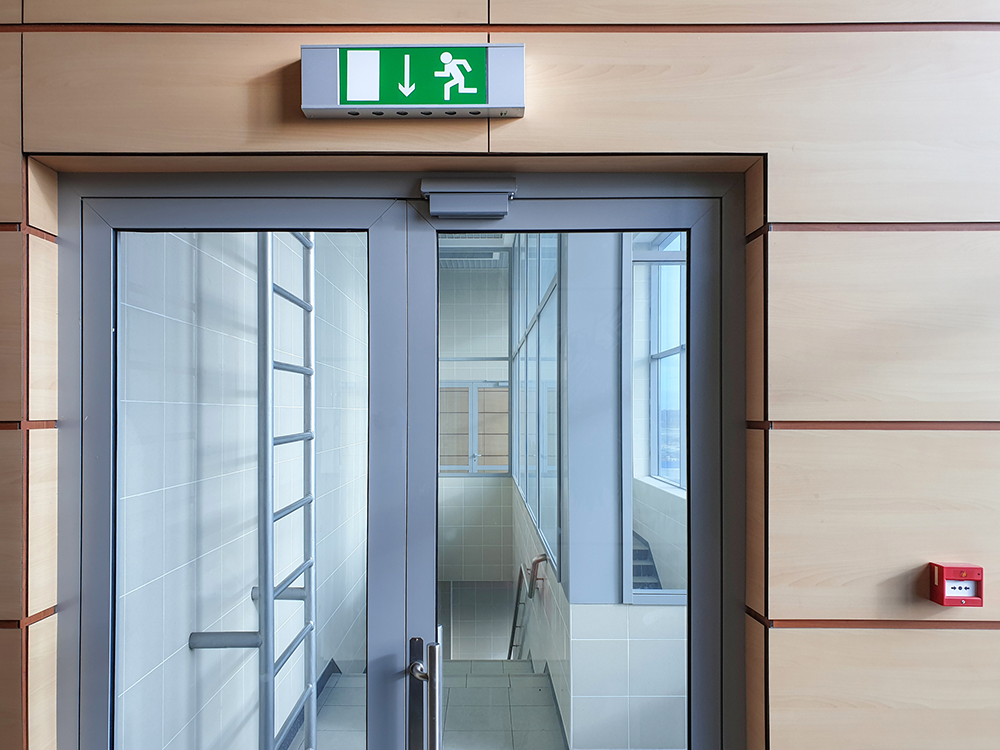
Any door along a designated escape route—such as corridors, stairwells, or fire exits—must be fire-rated to ensure occupants can evacuate safely.
3. Doors to High-Risk Areas
Fire doors are essential for containing fires in areas with higher risks, such as:
- Kitchens.
- Boiler rooms.
- Plant rooms.
- Electrical switch rooms.
- Storage areas containing flammable materials.
4. Doors in Compartments
Buildings are often divided into compartments to slow the spread of fire. Fire doors are a key element of these compartments, providing containment between different areas.
Responsibilities for Compliance
The Responsible Person, as defined by the RRO, is accountable for ensuring compliance with fire safety regulations. This typically includes:
- Building owners
- Landlords
- Employers
- Property managers
The Responsible Person must conduct regular fire risk assessments, install appropriate fire doors, and ensure ongoing maintenance and inspections.
Why Fire Door Compliance Matters
Non-compliance with fire door regulations can lead to severe consequences, including:
- Fines and Legal Penalties: Breaches of the RRO can result in significant fines or prosecution.
- Increased Liability: Building owners and managers may be held accountable for injuries or fatalities caused by fire.
Risk to Lives and Property: Faulty or non-compliant fire doors increase the risk of fire spreading, endangering lives and causing extensive property damage.
How We Can Help
At Fire Door Care, we specialise in providing expert fire door services for all types of industries and buildings, including:
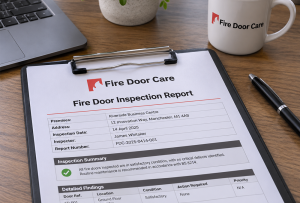
- Fire door inspections to ensure compliance
- Repairs and maintenance to restore functionality
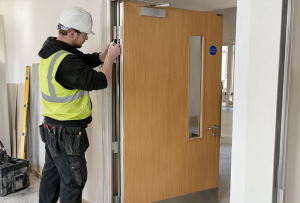
- Installation of certified fire doors tailored to your needs
Contact Us Today to learn how we can help your building meet UK fire door regulations and keep occupants safe.
Fire door compliance isn’t just a legal obligation—it’s a moral responsibility. By understanding which buildings and doors need to comply, you can take the necessary steps to protect lives, property, and peace of mind.