Ensuring fire safety in commercial premises is not just a legal obligation but a moral imperative. In the UK, the Regulatory Reform (Fire Safety) Order 2005 mandates that the responsible person, often the employer, owner, or landlord, conducts a comprehensive fire risk assessment. This assessment is crucial for identifying fire hazards, implementing preventive measures, and safeguarding lives and property.
What Is a Fire Risk Assessment?
A fire risk assessment is a systematic evaluation of your premises to identify potential fire hazards, assess the risks to people, and implement measures to eliminate or reduce these risks. It involves:
- Identifying Fire Hazards: Sources of ignition, fuel, and oxygen.
- Assessing the Risks: Who might be harmed and how.
- Eliminating or Reducing Risks: Implementing preventive measures.
- Recording Findings: Documenting the assessment and actions taken.
- Reviewing Regularly: Updating the assessment as necessary.
This process ensures that all reasonable steps are taken to protect people from fire risks.
Legal Framework: The Regulatory Reform (Fire Safety) Order 2005
The Fire Safety Order applies to all non-domestic premises in England and Wales, including (but not limited to):
- Offices.
- Retail Environments.
- Factories and Warehouses.
- Care Homes.
- Schools.
- Hospitals and Healthcare Facilities.
- Hotels.
Under the Fire Safety Order, the responsible person must:
- Carry out a fire risk assessment.
- Implement and maintain fire safety measures.
- Provide staff with adequate fire safety training.
- Keep the fire risk assessment under review.
Failure to comply can result in enforcement action, including fines or imprisonment.
Steps to Conduct a Fire Risk Assessment
1. Identify Fire Hazards
Examine your premises for potential fire hazards, such as:
- Electrical equipment and wiring.
- Flammable substances and materials.
- Cooking equipment.
- Heating systems.
Ensure that all sources of ignition and combustible materials are identified.
2. Identify People at Risk
Consider who might be at risk in the event of a fire, including:
- Employees.
- Visitors and customers.
- Contractors.
- Children.
- People with disabilities.
Pay special attention to those who may have difficulty evacuating, such as individuals with mobility impairments.
3. Evaluate, Remove, or Reduce Risks
Assess the likelihood of a fire occurring and the potential consequences. Implement measures to:
- Eliminate fire hazards where possible.
- Reduce the risk of fire starting.
- Limit the spread of fire.
- Protect people from fire.
This may include installing fire detection systems, fire extinguishers, and fire doors.
3. Record Your Findings
Document your fire risk assessment, including:
- The significant findings.
- The actions taken to eliminate or reduce risks.
- The names of people responsible for implementing the actions.
- The dates by which actions are to be completed.
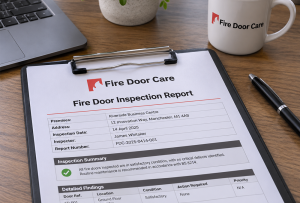
Keep this record available for inspection by enforcement authorities.
4. Review and Revise
Regularly review your fire risk assessment to ensure it remains up to date. Review it:
- When there are significant changes to the premises or operations.
- After a fire or near-miss incident.
- At regular intervals, at least annually.
Make necessary revisions to address any new or increased risks.
Implementing Fire Safety Measures
Based on your assessment, implement appropriate fire safety measures, such as:
- Fire Detection and Alarm Systems: Install systems that provide early warning of a fire.
- Fire Extinguishers: Provide suitable fire extinguishers and ensure staff are trained to use them.
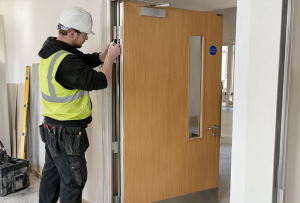
- Fire Doors and Escape Routes: Maintain clear and unobstructed escape routes and ensure fire doors are functional.
- Emergency Lighting: Install lighting to illuminate escape routes in the event of a power failure.
- Staff Training: Provide regular fire safety training and conduct fire drills.
Ensure that all fire safety measures are regularly maintained and tested.
The Role of the Responsible Person
The responsible person is legally accountable for fire safety in commercial premises. This individual must:
- Ensure a fire risk assessment is conducted.
- Implement fire safety measures.
- Provide fire safety training to staff.
- Maintain fire safety records.
- Cooperate with fire and rescue authorities.
In some cases, there may be more than one responsible person, such as in multi-occupancy buildings. In these situations, cooperation and coordination between responsible persons are essential.
Training and Awareness
Effective fire safety relies on well-trained staff. Provide training that includes:
- Understanding fire hazards and risks.
- Operating fire safety equipment.
- Evacuation procedures.
- Roles and responsibilities during a fire emergency.
Conduct regular fire drills to ensure staff are familiar with emergency procedures.
Record Keeping and Documentation
Maintaining comprehensive records of your fire risk assessment and related activities is crucial for compliance and ongoing safety. These records should include:
- Fire Risk Assessment Document: Clearly outline hazards, risks, and actions taken.
- Fire Drill and Training Records: Demonstrates staff preparedness.
- Maintenance and Testing Records for Equipment: Evidence of functional safety systems.
- Correspondence with Fire Authorities: Documents cooperation and compliance efforts.
- Golden Thread Documentation: This refers to the digital record-keeping approach that maintains an up-to-date, traceable, and accessible record of fire safety information throughout the lifecycle of a building.
These records should be kept for a minimum of five years and be readily accessible for inspection. Implementing Golden Thread principles not only aids compliance with the Fire Safety Act 2021 but also supports better decision-making and accountability across all responsible parties.
Enforcement and Penalties
Fire and rescue authorities have the power to enforce fire safety legislation. They may:
- Inspect premises for compliance.
- Issue enforcement notices.
- Prosecute for breaches of fire safety law.
Penalties for non-compliance can include fines and imprisonment. It’s essential to take fire safety responsibilities seriously to avoid legal consequences and, more importantly, to protect lives.
Other Consequences of Non-Compliance
Failing to comply with fire safety regulations can have serious repercussions beyond legal penalties. Some of the general consequences include:
- Loss of Life/Serious Injury: The most severe and irreversible consequence.
- Reputation Damage: Negative publicity can harm trust with customers, clients, and employees.
- Business Disruption: Fire incidents or enforcement actions can halt operations, causing financial loss.
- Insurance Complications: Non-compliance may invalidate insurance policies or increase premiums.
- Legal Claims: Victims of fire incidents may pursue civil claims for negligence.
- Financial Loss: Beyond fines and claims, costs for repairs, replacement, and downtime can be significant.
Recognising these risks reinforces why thorough fire risk assessments and proper implementation of safety measures are essential for any commercial premises.
Conclusion
Conducting a thorough fire risk assessment is a fundamental aspect of fire safety in commercial premises. By identifying hazards, implementing preventive measures, and ensuring ongoing compliance, you can create a safer environment for employees, customers, and visitors.
Remember, fire safety is not a one-time task but an ongoing commitment to maintaining a safe and compliant workplace.
Why Choose Fire Door Care?
Protect your property and ensure safety with our expert fire door services! We specialize in professional fire door installation, inspection, and repair, ensuring full compliance with fire door regulations. Our certified team delivers high-quality solutions to enhance fire resistance, prevent smoke spread, and safeguard lives. Whether you need a new fire door, routine inspections, or urgent repairs, we provide reliable and cost-effective services tailored to your needs.
- Safety First: We prioritise protecting lives and properties by ensuring every fire door meets the highest safety standards.
- Uncompromising Quality: Our expert team delivers precision craftsmanship and reliable solutions for long-lasting fire protection.
- Integrity You Can Trust: We are committed to honest, transparent, and dependable service at every step of the process.
- Customer Focused: Your safety is our mission. We tailor every inspection, repair, and installation to your unique needs.
If you would like to find out more about our fire door services, or would like help, advice or a quote please feel free to call us on 0203 488 5923 or send us a message here.